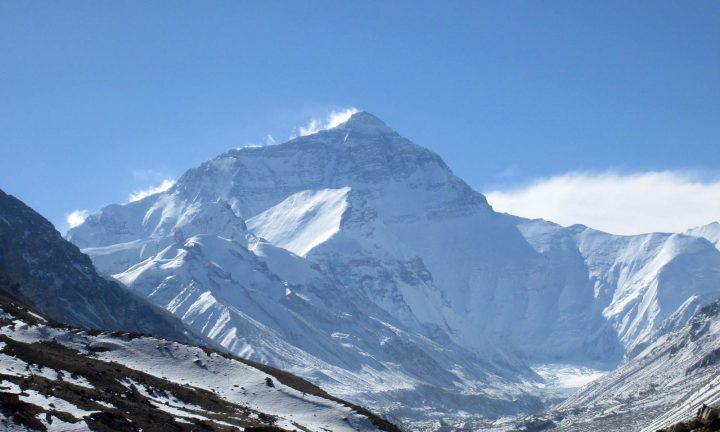
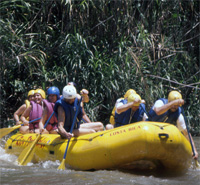
Imagine the gut feel of gravity pulling down—your hands gripping the paddle down in the water, your legs braced down into the side of a big rubber boat, heart beating down in your chest, teeth clenched down until SPLASH, the boat plows a wave and sends a white spray sunbursting up over you and your crewmates. A brief pause to cheer, but you stay focused, because right now you are drifting down into another exciting rapid.
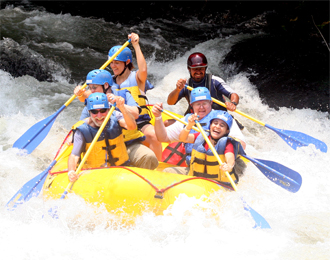
River Rafting in Costa Rica has long been a favorite destination for both the beginner and the experienced rafter. With ample annual rainfall, mountainous rainforest landscapes, and plenty of road-to-river access, the country prides itself on being a whitewater paradise. To top it off, Costa Rica has warm weather year round making it perfect for a swim during the calm intermissions between rapids.
The only thing that comes close to the thrill of sluicing through a rapid is when you take a moment to look around at the natural beauty that is Costa Rica. And from a raft on the river, you are at the beating heart of it. The turbulent water awakens the senses.
Tours depart in the early morning from San Jose. From there, you are driven to the outpost for a delicious breakfast. After breakfast, it’s to the river’s edge where your equipment is adjusted for a proper fit and you receive safety instructions and tips for basic paddling strokes. Safety is always a top concern during any tours hosted by The California Native and the guides are experienced professionals with extensive knowledge of whitewater navigation, river rescue, and first aid.
Travelers with The California Native enjoy experiencing the rapids and the rainforests on the Reventazón or Pacuare rivers.
The Reventazón River is a good place for those curious about the sport and want to ease into it. The various stretches of the river accommodate all types of people, from those who want to take a calm, relaxing, scenic float trip, to those seeking a more thrilling day in challenging Class II and III rapids.
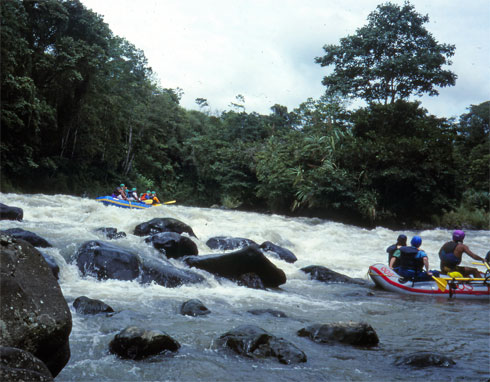
For those who want even more excitement, the Pacuare River is a great choice. Chock full of expert-level rapids, the Pacuare is a world-famous run guaranteed to get the pulse pounding. Flowing toward the Atlantic, the 14-mile run winds through dense jungle giving you plenty of opportunities to spot parrots, toucans, monkeys, and butterflies. But be sure not to take your eyes off the water for too long, because the rapids, which in some spots can be rated up to Class V, are best viewed from inside the boat rather than out. If you do become separated from your seat, don’t panic, the guide will be quick to fish you back on board.
For those who can’t get enough, The California Native offers a 2-day option where guests are able to overnight on the Pacuare at a riverside lodge. There is no better way to relax from a day of paddling than to be lulled by the sounds of the river while looking forward to another day of rapid transit. On the second day, more rapids with names like ‘Two Mountains’ and ‘Cimmaron’ (translated from Spanish as ‘wild’) lay downstream ready to challenge you and your crew mates.
So grab your river-runner sandals, join The California Native on a Costa Rica Adventure, and come aboard!


 This year’s winter has been a harsh one across North America. From the record breaking weather to the unsure economy, it has been trying for everyone. Here at
 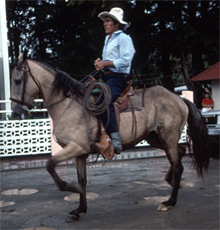 What in the world is a Tico? Sounds exotic. Maybe it’s something like a Piña Colada or a Cappuccino. Or maybe it’s one of those little biting pests that you find in tropical places. Wrong! A Tico is a very special group of people that inhabit one of the most beautiful, tropical and hidden paradises in the world—