The Fall/Winter 2008 edition of The California Native newsletter is now in the mail. The newsletter, published by The California Native since 1984, has more than 10,000 readers (not counting those who download from the web). If you are not already a subscriber to this free newsletter you can signup now.
This issues feature stories include:
CALIFORNIA NATIVES FOLLOW THE TEA HORSE ROAD
“My grandfather dipped his silver bracelet into the water, to make sure it was not poisoned,” related Chen Dong Mei, her eyes sparkling as she related stories of her grandfather who drove horses along the historical Tea Horse Road. The tea horse road, leading from Jing Hong, China, to Llhasa in Tibet, has been a major trade route for almost 5000 years.
THE BOWMEN FROM BHUTAN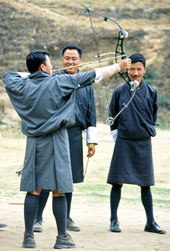
Dancing about and shouting sexual insults at the opposing team, Bhutanese sports fans enjoy their favorite pastime, which is, of all things, archery!
COPPER CANYON TRIPS FEATURED IN NATIONAL GEOGRAPHIC PUBLICATION
A new book, published by National Geographic, features The California Native’s tours through Mexico’s Copper Canyon.
THE LADY OF GUADALUPE
Throughout Mexico, in churches, roadside shrines, restaurants, and automobile decals, the Virgin of Guadalupe is a sacred icon for both Catholic faith and nationalism.
TELL THEM TO “GO TO XIBALBA”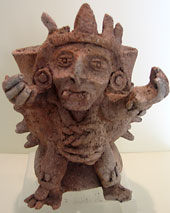
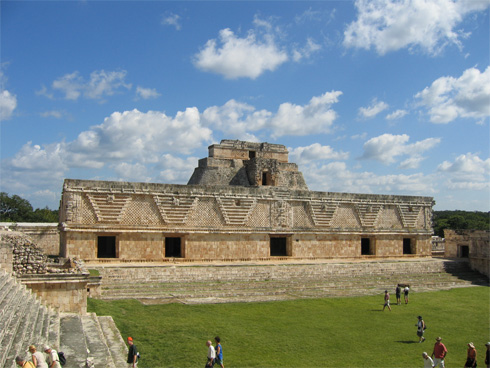
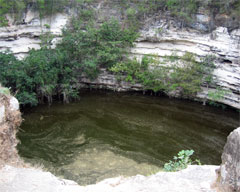
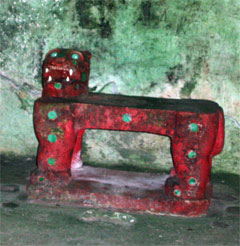
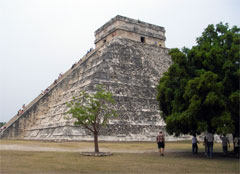
It is the darkest place in Mayan lore, the underworld, the Place of Fear. It is ruled by the spirits of disease and death. And archaeologists believe that it actually existed in a series of underground chambers and passages.
THE MISSING SOLDIERS OF ALBERMARLE ISLAND
“The day was overpoweringly hot, and the lake looked clear and blue; I hurried down the cindery slope, and choked with dust, eagerly tasted the water—but, to my sorrow, I found it salt as brine.” So wrote Charles Darwin in The Voyage of the Beagle. Sixty-five years later, in 1904, eleven soldiers disappeared in the unforgiving landscape of Albermarle (Isabella) Island, the largest island in the Galapagos Archipelago.
CALIFORNIA NATIVE ADVENTURES
The newsletter also includes schedules, prices and descriptions of California Native’s tours to Mexico’s Copper Canyon, Peru, the Galapagos, Patagonia, Costa Rica, Yucatan and Chiapas, Myanmar (Burma) and Laos, Bhutan, Yunnan, China, and Ireland.
 Some say the it was the ancient Greeks, some argue that it was indigenous Americans like the Mayans of the