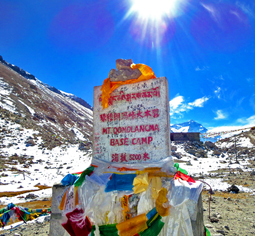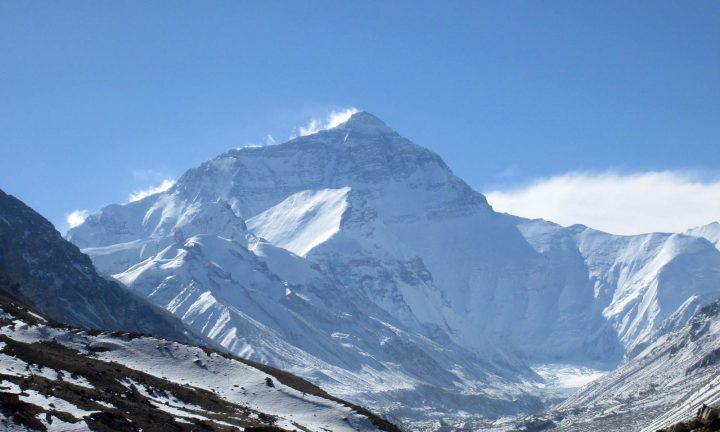
One of the many highlights of our California Native 14-day Tibet Everest Explorer is a visit to the North Base Camp of Mount Everest.
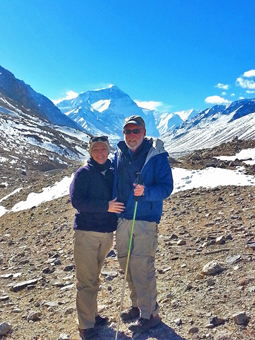
Mount Everest, also known in Nepal as Sagarmāthā and in Tibet as Chomolungma, is Earth’s highest mountain. It is located in the Mahalangur mountain range in Nepal and Tibet. Its peak is 29,029 ft above sea level. The international border between China and Nepal runs across Everest’s precise summit point.
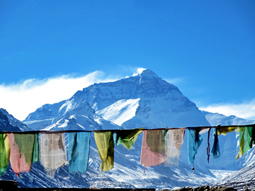
For many people, the main reason that they go to Tibet is to see the amazing view of Everest’s famous North Face. The view of Everest from the Tibet side gives a clear, sweeping view of the mountain. Unlike the Nepal side of Everest, no hiking is required to reach the Tibet side of Everest. You can drive all the way to Everest Base Camp. The North Base Camp is accessed by vehicle through a 100 km road branching to the South from the Friendship Highway near Shelkar.
The only way that foreigners can go to the Tibet side of Mt. Everest is by arranging an organized tour through a tour company. There are NO exceptions. Included in our 14-day Tibet Everest Explorer are the required travel permits, tour guide, private vehicle and driver. You cannot use public transportation (ie. buses) to travel to Everest.
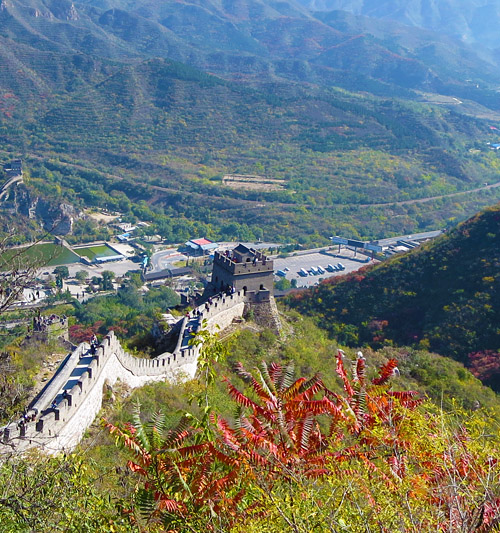
The California Native has been leading tours to exotic destinations for more than 30 years and people are always asking what our favorites are. One of our favorite trips is this wonderful journey which begins in Beijing, China, travels through Tibet and hits its high point at Mount Everest Base Camp at the top of the world.